How AI is Transforming Industries: Key Takeaways from Jennie Sinclair's Talks
Introduction to AI's Impact
Artificial Intelligence is no longer just a buzzword; it’s a transformative force reshaping industries across the globe. At the forefront of this revolution is Jennie Sinclair, whose talks offer deep insights into how AI is being leveraged across various sectors. Her discussions provide a comprehensive understanding of the ways AI is driving innovation and efficiency.
AI in Healthcare
One of the most significant impacts of AI is seen in the healthcare industry. Jennie Sinclair highlights how AI is revolutionizing diagnostics, treatment planning, and patient care. By analyzing vast amounts of data, AI systems can identify patterns and predict potential health issues, allowing for early intervention.
Moreover, AI-powered tools are enhancing the precision of medical imaging, leading to more accurate diagnoses. The integration of AI in healthcare is not only improving patient outcomes but also optimizing hospital operations.
Benefits in Patient Care
AI algorithms personalize patient care by analyzing individual health data, offering tailored treatment plans. This approach ensures more effective treatments and a better patient experience.

AI in Finance
The finance industry is also experiencing a significant transformation due to AI. Jennie Sinclair discusses how AI is enhancing fraud detection, risk management, and customer service in banking and finance. Machine learning models analyze transaction patterns to detect anomalies, providing a robust defense against fraud.
Furthermore, AI-driven chatbots and virtual assistants are improving customer service by offering 24/7 support and personalized financial advice. These innovations are streamlining operations and enhancing customer satisfaction.
Investment Strategies
AI is also redefining investment strategies by analyzing market trends and predicting stock movements. This provides financial analysts with deeper insights and more informed decision-making capabilities.

AI in Manufacturing
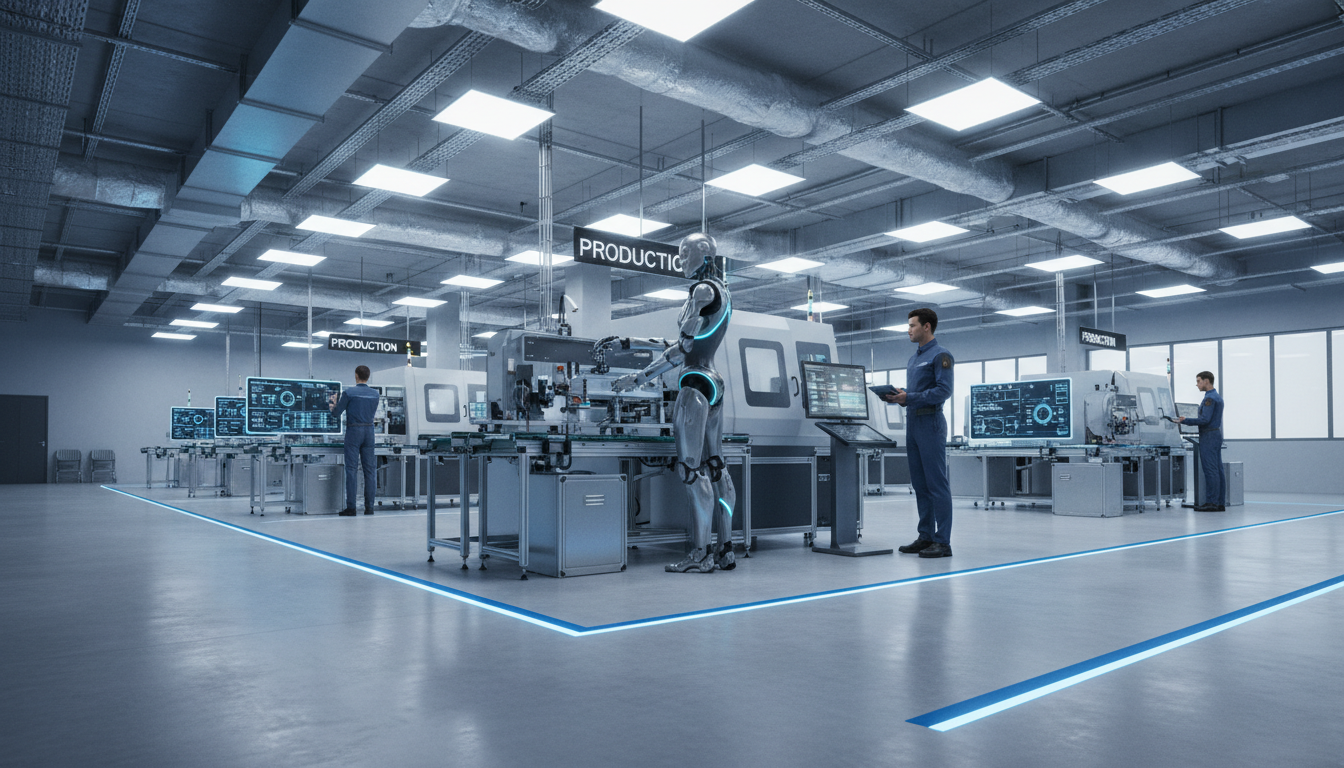
Manufacturing is seeing a paradigm shift with the integration of AI. According to Jennie Sinclair, AI technologies are optimizing supply chains, enhancing quality control, and improving production efficiency. Predictive maintenance powered by AI helps in minimizing downtime by predicting equipment failures before they occur.
Additionally, AI systems are improving quality control by identifying defects in products with greater accuracy than human inspectors. This leads to higher quality products and reduced waste.
Supply Chain Optimization
AI analyzes supply chain data to optimize logistics and inventory management, significantly reducing costs and improving delivery times. This is reshaping how manufacturers operate in a competitive market.
Conclusion
Jennie Sinclair's talks provide a clear picture of how AI is transforming industries. From healthcare and finance to manufacturing, AI is enhancing efficiency, reducing costs, and driving innovation. As industries continue to integrate AI technologies, the potential for growth and improvement is immense.
Embracing AI not only offers competitive advantages but also paves the way for new opportunities and advancements across all sectors. The future, as envisioned by Jennie Sinclair, is one where AI plays a central role in shaping our world.