How AI is Transforming Future Skills: Insights from Jennie Sinclair
Introduction to AI and Future Skills
The rapid advancement of artificial intelligence (AI) is reshaping the landscape of future skills. Industry expert Jennie Sinclair provides valuable insights into how AI is influencing the skills we need to thrive in the future. As AI continues to evolve, it’s crucial to understand its impact on the workforce and personal development.
AI is not just about automation; it’s about enhancing human capabilities. Instead of replacing jobs, AI is transforming roles and creating new opportunities. This shift necessitates a reevaluation of the skills that will be essential in the coming years.

Redefining Essential Skills
Jennie Sinclair emphasizes that the focus is shifting from traditional technical skills to more dynamic competencies. Skills such as critical thinking, creativity, and emotional intelligence are becoming increasingly important. These human-centric skills complement AI technologies, enabling individuals to leverage AI effectively.
Moreover, the ability to adapt and learn continuously is crucial. In a world where technology is constantly changing, having a growth mindset can set individuals apart. Sinclair suggests that lifelong learning will be a cornerstone of future career success.
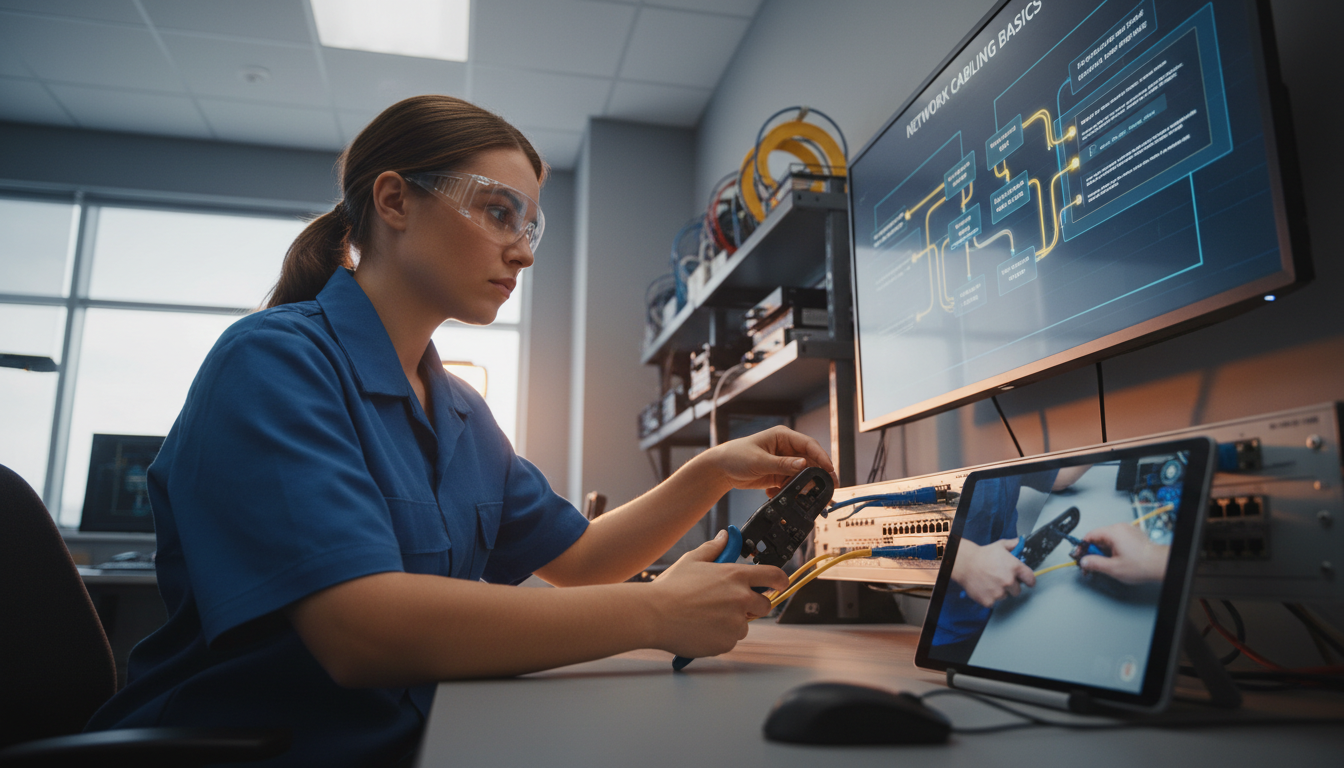
The Role of AI in Education
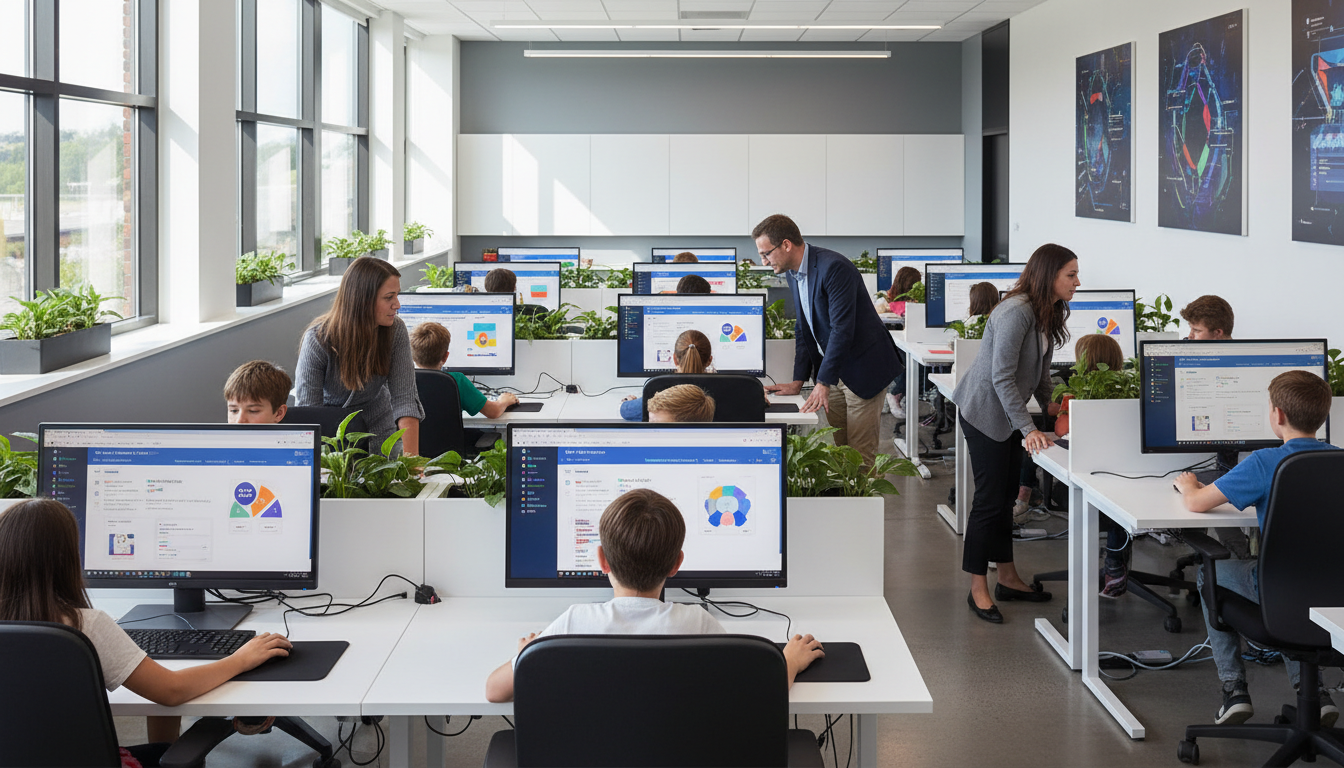
AI is also transforming education by personalizing learning experiences. Through AI-driven platforms, educators can tailor content to meet individual learning needs, thereby enhancing engagement and comprehension. This approach not only optimizes learning but also prepares students with the skills needed for future workplaces.
Jennie Sinclair highlights that AI in education facilitates a more inclusive learning environment. By addressing diverse learning styles and needs, AI helps bridge educational gaps and ensures that no learner is left behind.
AI and Workforce Transformation
In the workforce, AI is streamlining processes and driving efficiency. Jennie Sinclair notes that organizations are increasingly adopting AI to automate routine tasks, allowing employees to focus on more strategic activities. This transformation is leading to the creation of new job roles centered around AI management and oversight.
Industries are experiencing shifts as AI technologies advance. For instance, in healthcare, AI is revolutionizing diagnostics and treatment planning, while in finance, it enhances data analysis and decision-making capabilities. These changes underscore the need for specialized skills in AI integration and management.
Preparing for the AI-Driven Future
To prepare for an AI-driven future, Jennie Sinclair advises individuals and organizations to invest in upskilling and reskilling. She suggests a proactive approach to learning, where embracing new technologies and methodologies becomes a routine practice.
Furthermore, Sinclair highlights the importance of collaboration between humans and machines. By fostering a synergistic relationship with AI, individuals can maximize productivity and innovation.
Conclusion
AI is undeniably transforming the skills landscape, and Jennie Sinclair’s insights provide a roadmap for navigating this change. By focusing on human-centric skills, embracing lifelong learning, and fostering collaboration, individuals can successfully adapt to the evolving demands of the future workplace.
As AI continues to shape industries and redefine roles, staying informed and adaptable will be key to thriving in this new era. The future is bright for those who are willing to embrace the opportunities that AI presents.