How AI is Shaping Future Skills: Insights from Jennie Sinclair
The Rise of AI in the Workforce
As artificial intelligence continues to evolve, its impact on the modern workforce is becoming increasingly significant. Jennie Sinclair, a leading expert in AI and technology, provides valuable insights into how AI is reshaping the skills needed for the future. The integration of AI into various industries is not just a trend but a transformative force that is redefining job roles and opportunities.
Sinclair emphasizes that AI is not about replacing human workers but enhancing their capabilities. By automating routine tasks, AI allows employees to focus on more strategic and creative aspects of their jobs. This shift necessitates the development of new skills that align with AI-driven processes.

Essential Skills for the AI Era
According to Sinclair, there are several key skills that will be crucial in the AI-driven future. Technical skills such as data analysis, machine learning, and coding are becoming increasingly important. However, these are just part of the equation.
Equally significant are soft skills like critical thinking, adaptability, and emotional intelligence. These skills allow individuals to work effectively alongside AI, leveraging its capabilities while providing the human touch that technology cannot replicate.

Continuous Learning and Adaptability
In a rapidly changing technological landscape, continuous learning is essential. Sinclair highlights the importance of a growth mindset, where individuals are open to learning new tools and techniques. This adaptability ensures that workers remain relevant and competitive in their fields.
Employers are encouraged to foster a culture of learning, providing opportunities for employees to upskill and reskill. This not only benefits the individual but also strengthens the organization as a whole.
AI's Role in Education and Training
AI is also playing a pivotal role in education and training. Sinclair discusses how AI-powered platforms are personalizing learning experiences, catering to individual needs and preferences. This customization enhances engagement and effectiveness, enabling learners to acquire new skills efficiently.
Moreover, AI-driven analytics provide valuable insights into learning patterns, helping educators tailor their approaches to maximize student success. This data-driven strategy is transforming traditional educational models.
The Future of Work: A Collaborative Approach
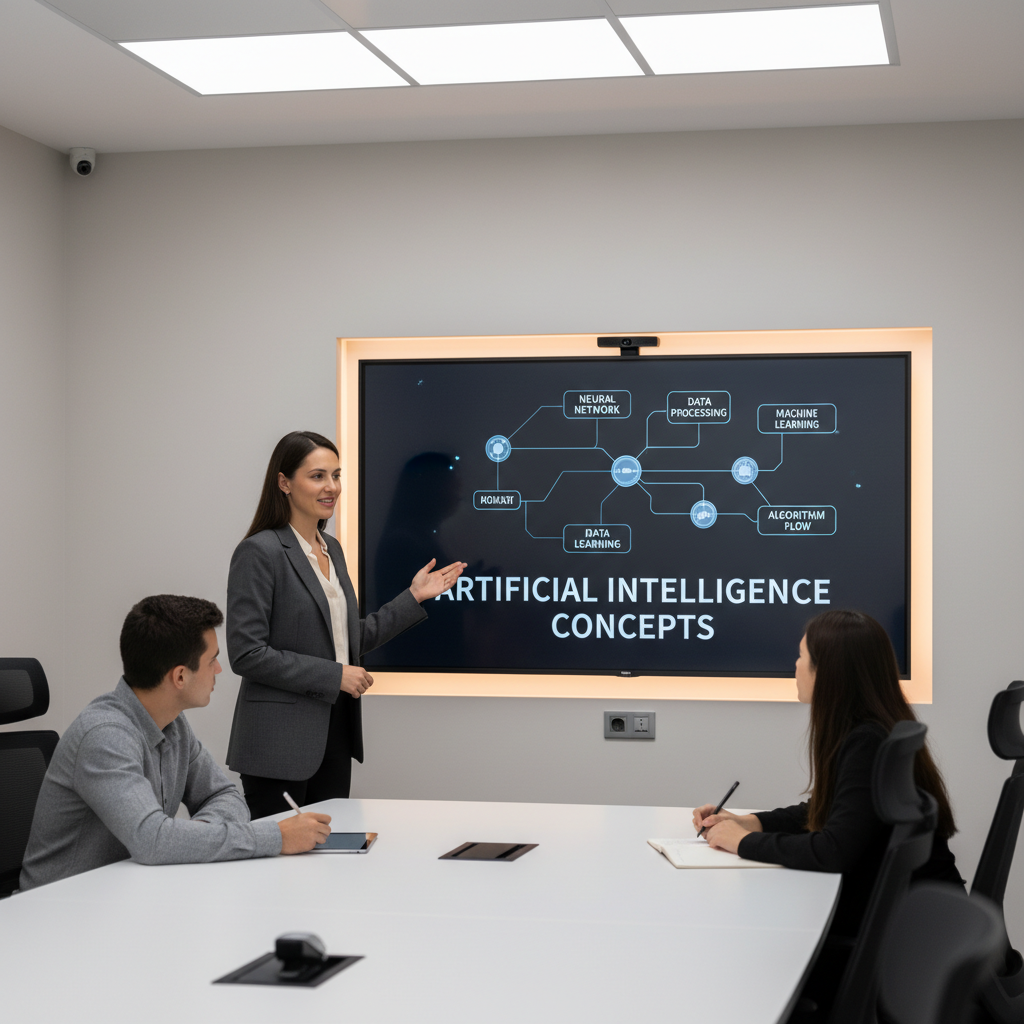
Sinclair envisions a future where AI and humans work collaboratively, each enhancing the other's strengths. This partnership requires a shift in mindset, where AI is seen not as a competitor but as a collaborator. By embracing this perspective, businesses can innovate and thrive in an AI-driven world.
Organizations are encouraged to invest in AI training programs, ensuring that their workforce is prepared to navigate this new terrain. This proactive approach fosters a harmonious and productive work environment.
Challenges and Opportunities
While the integration of AI presents numerous opportunities, it also poses challenges. Sinclair acknowledges concerns about job displacement and the ethical implications of AI. However, she believes that with the right strategies, these challenges can be addressed effectively.
By prioritizing ethical AI development and focusing on skills that complement technology, the workforce can harness AI's potential while mitigating risks. This balanced approach ensures a sustainable and inclusive future.

In conclusion, Jennie Sinclair's insights highlight the transformative impact of AI on future skills. By embracing continuous learning, fostering collaboration, and addressing challenges with foresight, individuals and organizations can successfully navigate the evolving landscape of work.