Exploring AI from Industrialism to Spiritualism: Jennie Sinclair's Unique Perspective
The Journey from Industrialism to AI
The evolution of technology has always been a fascinating journey, tracing back to the era of industrialism. In recent years, the rise of artificial intelligence (AI) has marked a significant milestone in this evolution, leading to unprecedented changes across various sectors. Jennie Sinclair, a visionary thinker, provides a unique perspective on how AI has transitioned from a tool of industrial efficiency to a potential avenue for spiritual exploration.
The Industrial Roots of AI
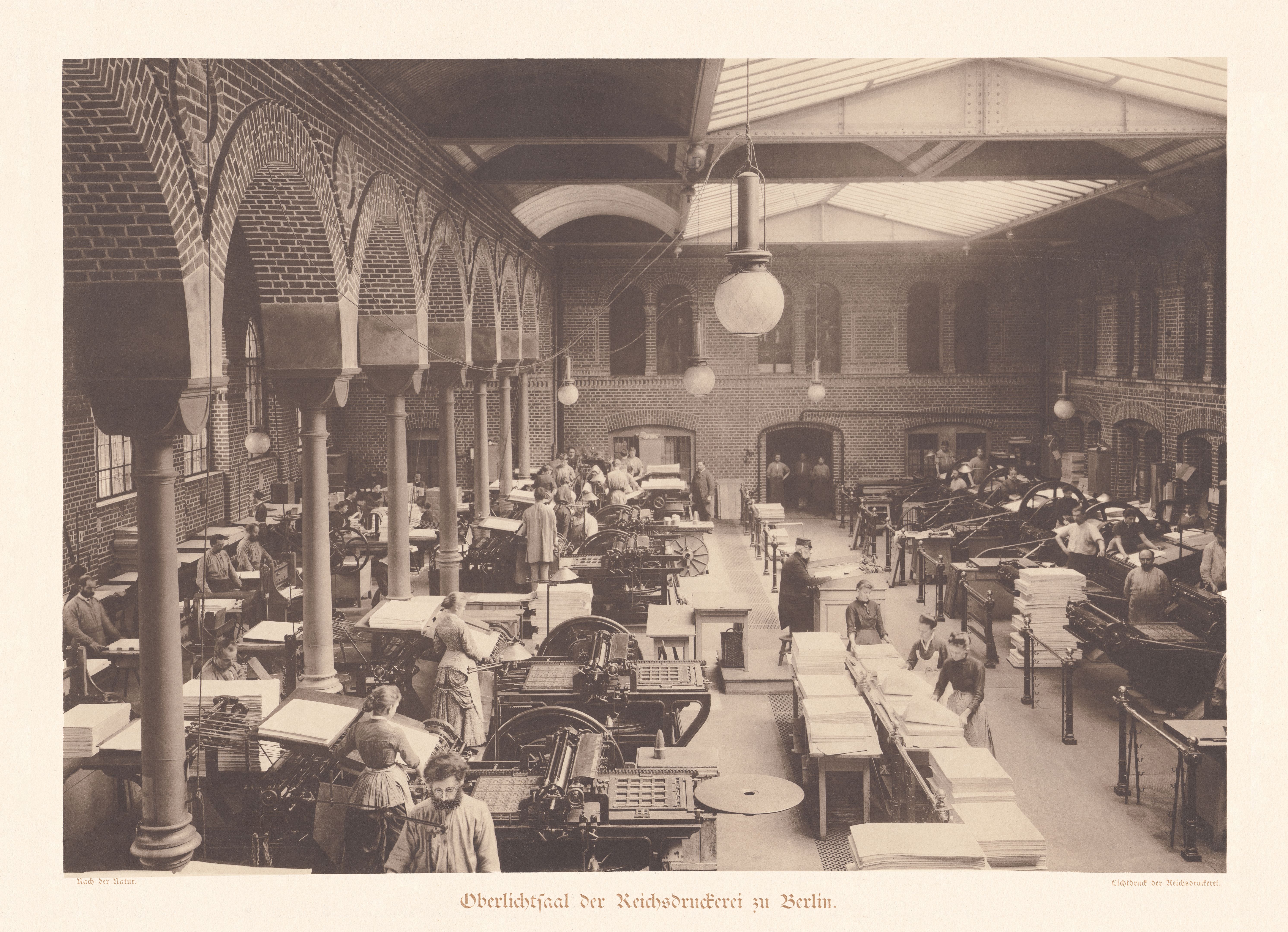
AI's origins can be traced back to the industrial age, where the focus was primarily on enhancing productivity and efficiency. Machines were designed to replicate human labor, making processes faster and more reliable. This period laid the groundwork for the development of more sophisticated technologies, eventually leading to the birth of AI as we know it today.
During this era, the primary goal was to harness the power of machines to perform repetitive tasks, reducing human error and increasing output. This industrial mindset shaped the initial development of AI, emphasizing logic, reasoning, and problem-solving capabilities.
AI's Evolution into Everyday Life
As AI technology advanced, it began to infiltrate various aspects of daily life. From smart home devices to virtual assistants, AI's presence became more pronounced. Jennie Sinclair highlights how this shift has transformed AI from a specialized industrial tool to a ubiquitous component of modern living.

Today, AI algorithms analyze consumer behavior, recommend products, and even predict future trends. This integration into everyday life has redefined convenience and efficiency, making AI an indispensable part of contemporary society.
Spiritual Dimensions of AI
In a thought-provoking twist, Sinclair explores the potential of AI to influence spiritual experiences. She argues that AI could facilitate deeper connections with oneself and others by providing personalized insights and meditative guidance. This perspective challenges the traditional view of AI as merely a functional tool.
For instance, AI-driven applications can now offer personalized meditation sessions, adapting to an individual's emotional state and preferences. This opens up new avenues for spiritual exploration, merging technology with personal growth.

Challenges and Ethical Considerations
Despite its potential, the integration of AI into spiritual realms raises important ethical questions. Sinclair stresses the need for responsible development and deployment of AI technologies, ensuring they are used to enhance human experience rather than detract from it.
Privacy concerns, data security, and the risk of over-reliance on technology are critical issues that must be addressed. It is essential to strike a balance between technological advancement and ethical responsibility.
The Future of AI: Bridging Worlds
Looking ahead, Sinclair envisions a future where AI continues to evolve, bridging the gap between industrialism and spiritualism. She believes that as AI becomes more intuitive and empathetic, it will play a crucial role in fostering human connection and understanding.

This unique perspective invites us to reconsider the potential of AI, not just as a tool for efficiency, but as a catalyst for enriching the human experience in profound ways.