Case Study: Successful AI Integration in Swedish Companies
Introduction to AI Integration in Sweden
Swedish companies are at the forefront of technological innovation, and the integration of Artificial Intelligence (AI) into their operations is a testament to this. With a focus on efficiency and sustainability, businesses in Sweden are leveraging AI to enhance their processes, improve customer experiences, and drive growth.

AI in Manufacturing
In the manufacturing sector, AI has been pivotal in optimizing production lines and reducing waste. Companies have implemented AI-driven predictive maintenance systems that anticipate equipment failures, minimizing downtime and saving costs. This proactive approach ensures that businesses maintain high levels of productivity.
Furthermore, AI is used to enhance quality control processes. By using machine learning algorithms, manufacturers can detect defects in real-time, ensuring that only the best products reach the market. This not only improves product quality but also enhances brand reputation.

Retail Transformation
The retail industry in Sweden has also embraced AI, particularly through personalized marketing and customer service. AI algorithms analyze consumer data to provide personalized recommendations and offers, improving customer satisfaction and loyalty. This targeted approach has resulted in increased sales and a more engaging shopping experience.
Moreover, AI-powered chatbots are revolutionizing customer service in retail. These intelligent bots handle customer queries efficiently, providing instant support and freeing up human agents for more complex tasks. This integration has significantly improved response times and customer satisfaction.

AI in Healthcare
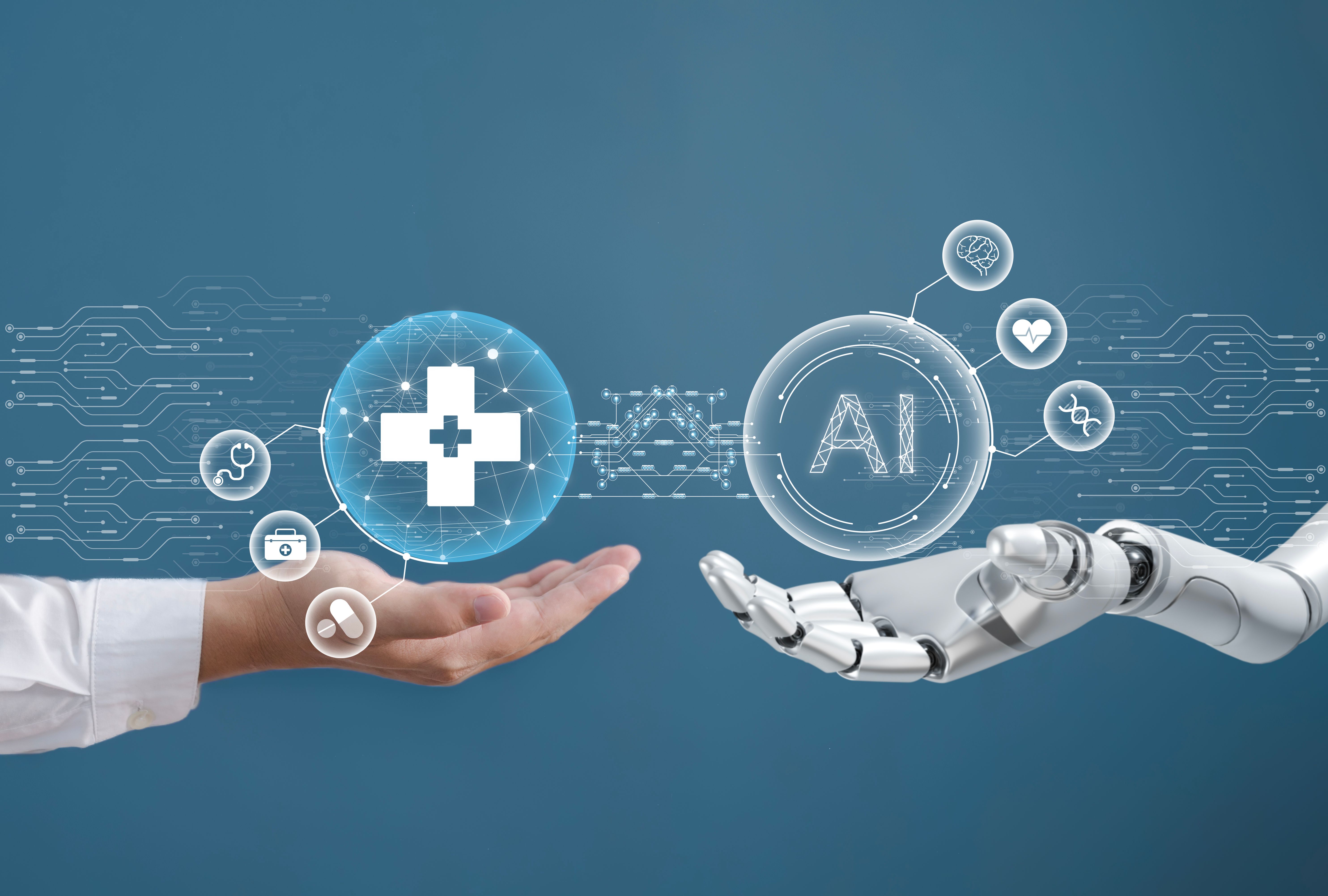
Swedish healthcare providers are utilizing AI to enhance patient care and streamline operations. AI-driven diagnostic tools assist doctors in identifying diseases at early stages, improving treatment outcomes. These tools analyze vast amounts of medical data quickly and accurately, aiding in better decision-making.
Additionally, AI is used in patient management systems to predict patient admissions and optimize resource allocation. This ensures that healthcare facilities are adequately staffed and equipped, improving the overall efficiency of healthcare delivery.
Challenges and Future Prospects
Despite the success stories, integrating AI into business operations comes with its challenges. Data privacy concerns and the need for skilled personnel are significant hurdles that companies must address. However, with ongoing advancements in AI technology and increased focus on education and training, these challenges are being gradually overcome.
The future of AI in Swedish businesses looks promising. As technology evolves, more industries are expected to adopt AI, leading to innovative solutions and improved operational efficiency. The continuous investment in AI research and development signifies a commitment to staying at the cutting edge of technological progress.

Conclusion
In conclusion, the successful integration of AI in Swedish companies highlights the transformative potential of this technology. By enhancing efficiency, improving customer experiences, and driving innovation, AI is reshaping the business landscape in Sweden. As more companies embrace this change, the benefits are expected to multiply, securing Sweden's position as a leader in technological innovation.