AI and Innovation: Trends Shaping the Future
The Rise of AI in Everyday Life
Artificial Intelligence (AI) is no longer a concept confined to science fiction. Today, it's a reality that is transforming industries and reshaping the way we live and work. From smart home devices to personalized marketing strategies, AI's integration into daily life is undeniable and ever-growing.
One of the most visible impacts of AI is in consumer technology. Virtual assistants like Siri and Alexa have become household names, helping users manage tasks, control smart home devices, and access information with simple voice commands. These AI-driven tools are designed to learn from our behaviors, enhancing their usefulness over time.

AI in Healthcare: A New Era of Medicine
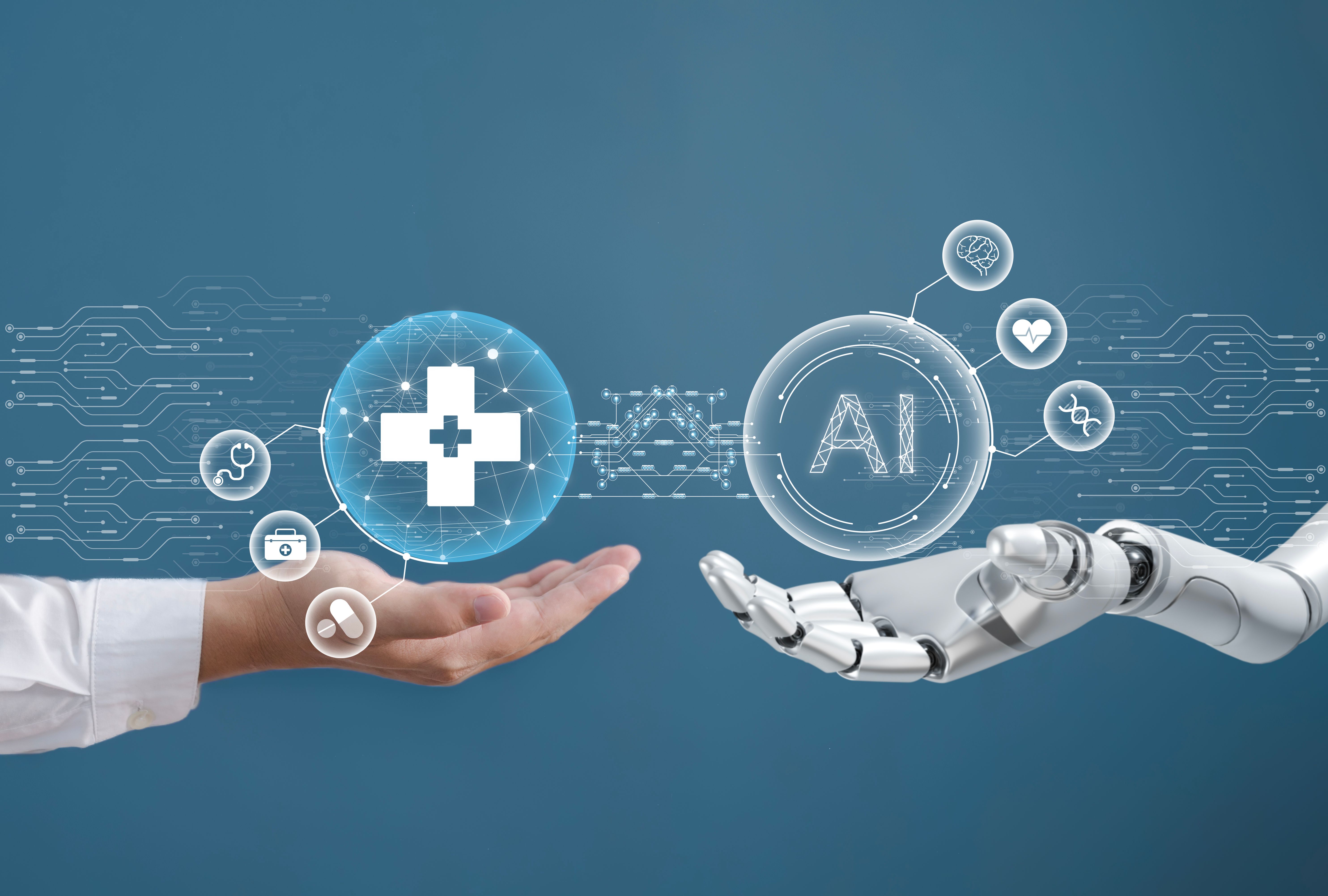
The healthcare industry is witnessing a revolution, thanks to AI. From predictive analytics to personalized medicine, AI is enabling more accurate diagnoses and efficient treatment plans. Machine learning algorithms are now capable of analyzing vast amounts of medical data to identify patterns that can lead to early detection of diseases.
A significant trend is the use of AI in robotic surgery, where precision is paramount. These robots assist surgeons by providing enhanced visualization and control, reducing the risk of complications and speeding up recovery times for patients. This innovation is paving the way for more minimally invasive procedures.
AI and the Future of Work
The workplace is undergoing a transformation as AI automates routine tasks, allowing human workers to focus on more complex and creative endeavors. This shift is leading to increased productivity and innovation in various sectors. However, it also raises questions about the future of employment and the skills needed to thrive in an AI-driven world.
Companies are investing in AI to streamline operations, from customer service chatbots to supply chain optimization. These technologies not only enhance efficiency but also improve customer satisfaction by providing faster and more accurate solutions to their needs.

Challenges and Ethical Considerations
While AI offers numerous benefits, it also presents challenges that need to be addressed. Issues such as data privacy, algorithmic bias, and the ethical use of AI technologies are at the forefront of discussions among policymakers and industry leaders. Ensuring that AI systems are transparent and accountable is crucial for building trust with users.
Moreover, there is a growing need for regulations that govern AI development and deployment. Establishing ethical guidelines will help prevent misuse and ensure that AI benefits society as a whole. Collaboration between governments, businesses, and academia is essential to navigate these complex issues.
AI and Environmental Sustainability
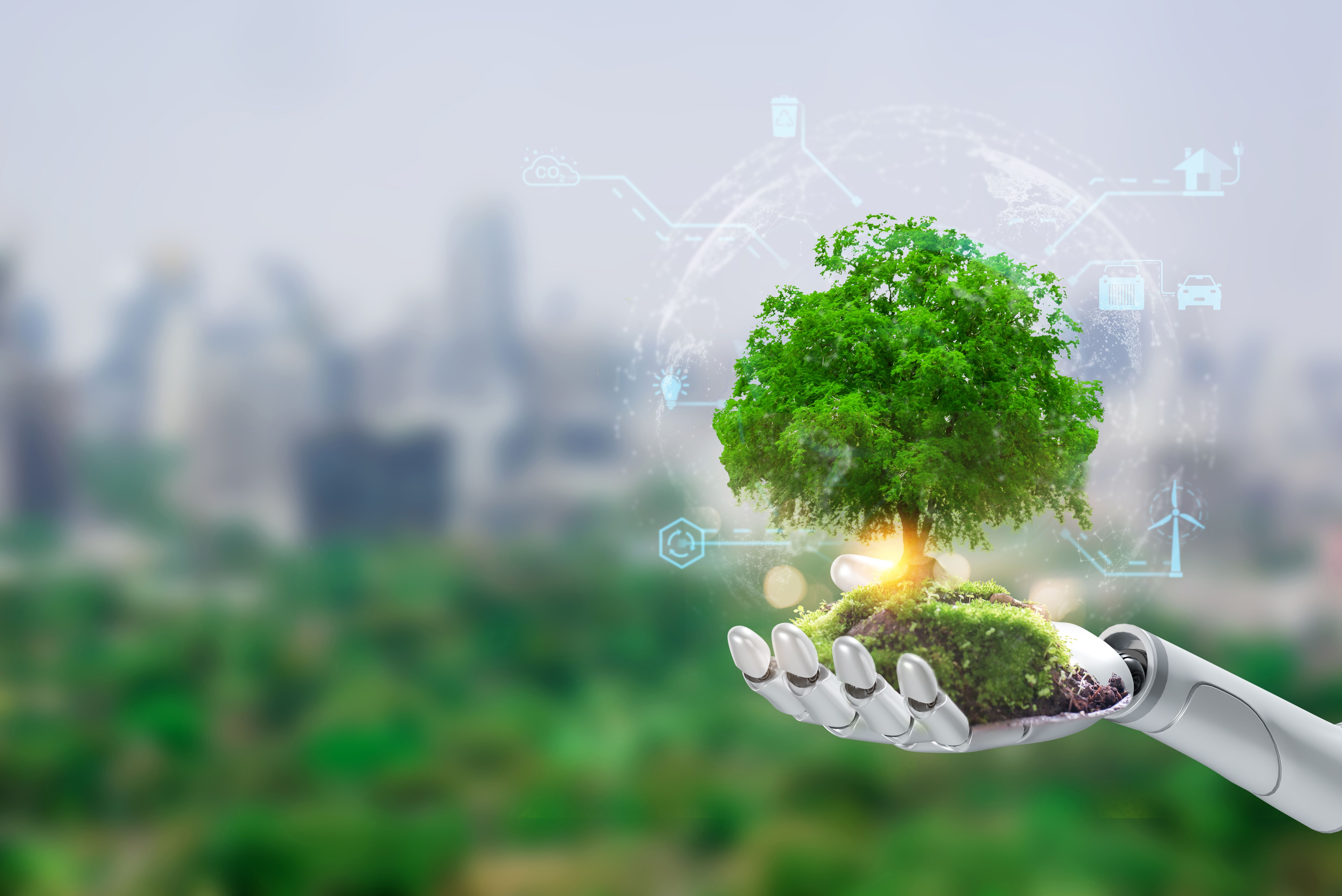
AI is playing an increasingly important role in promoting environmental sustainability. By optimizing energy consumption and reducing waste, AI technologies contribute to more sustainable practices in industries such as agriculture, manufacturing, and transportation.
For instance, AI-powered systems can analyze weather patterns and soil conditions to optimize crop yields, reducing the need for chemical fertilizers and water usage. Similarly, AI-driven logistics solutions help companies minimize their carbon footprint by optimizing delivery routes and reducing fuel consumption.
The Road Ahead: AI and Human Collaboration
The future of AI is not about replacing humans but enhancing our capabilities. As AI continues to evolve, its collaboration with human intelligence will lead to unprecedented innovation and problem-solving capabilities. Embracing this partnership will be key to unlocking the full potential of AI.
As we look ahead, it's clear that AI will continue to shape the future in ways we are only beginning to understand. By staying informed and engaged with these trends, individuals and organizations can adapt and thrive in an AI-enhanced world.